
PaMiLoCELL #02 — Robotic Cell Preparation & System Architecture
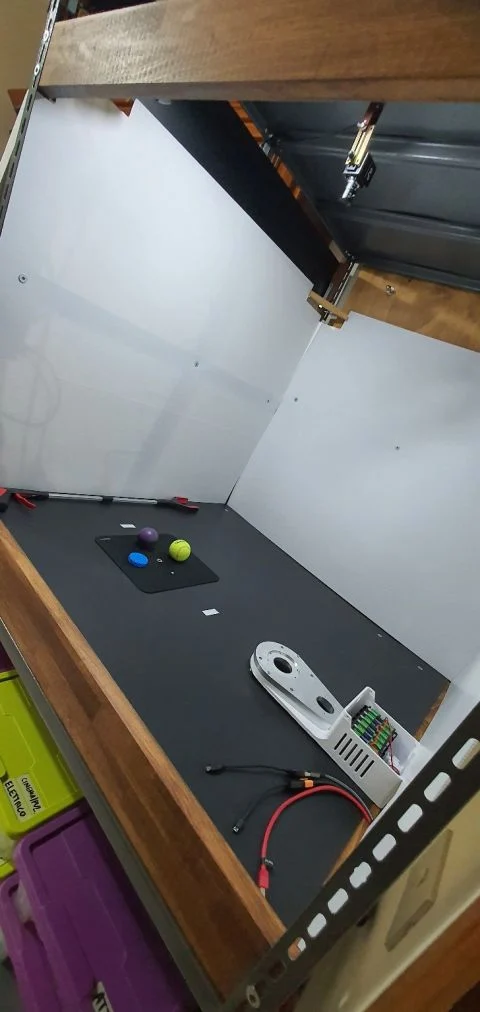
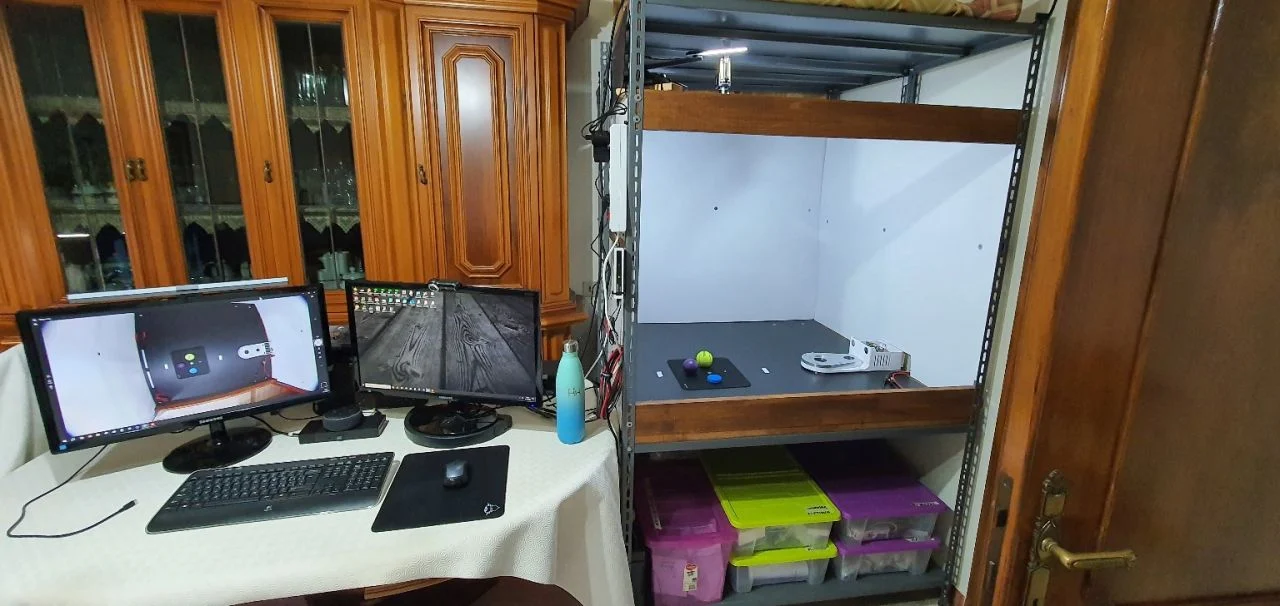
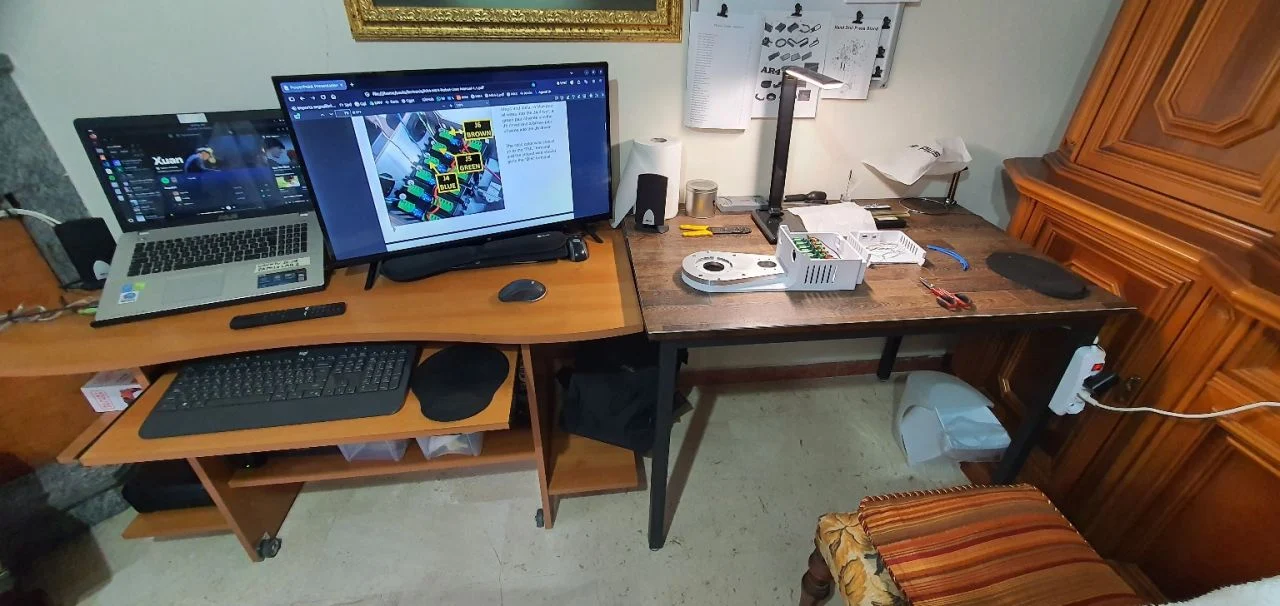
Following the initial kitting phase, the next step of PaMiLoCELL has been to prepare the physical environment that will progressively host the complete robotic system.
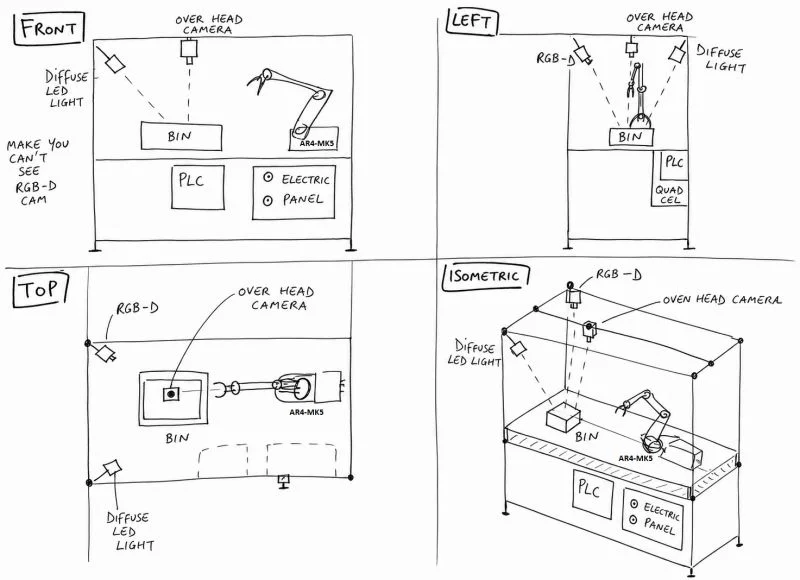
The development started from a hand sketch, followed by several iterations and technical discussions supported by ChatGPT, to define a preliminary cell layout integrating:
• AR4-MK5 robotic arm
• PLC and industrial automation system
• Electrical and Safety Panel
• Overhead camera
• RGB-D camera
• Diffuse LED lighting
• AI Vision hardware and software
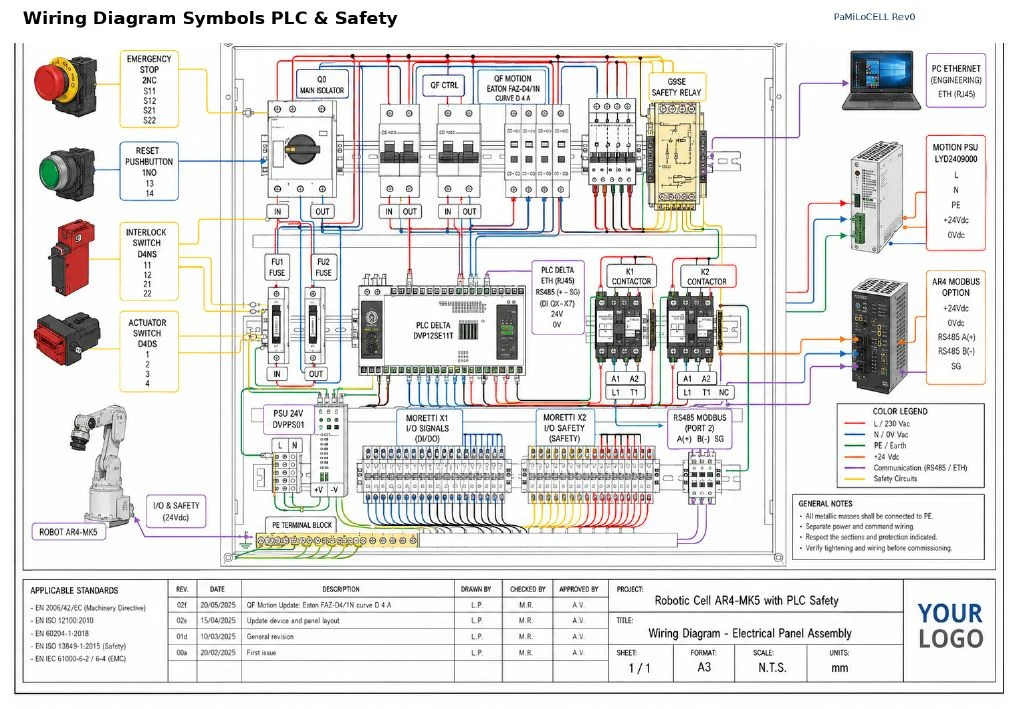
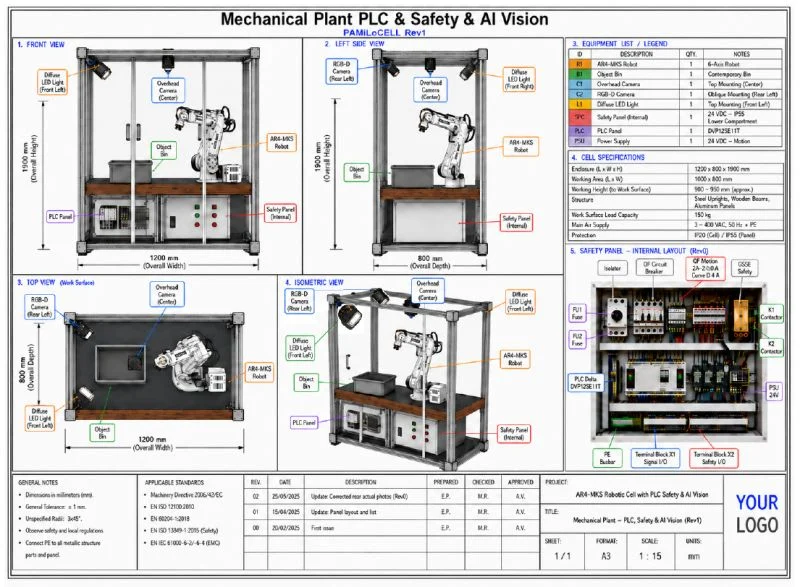
The concept then evolved into preliminary mechanical and electrical documentation covering cell layout, component positioning and a first wiring architecture.
Current project status
Everything is still preliminary and conceptual.
The drawings, layouts and wiring architecture are a development trace to guide the next steps. They are not yet fully verified against the final physical configuration and may contain assumptions, inconsistencies or technical errors.
That is part of the challenge: study the system, build it step by step, identify what does not work, verify assumptions and correct the design as the real cell develops.
The goal is not to present a finished engineering solution, but a structured path where each step can be reviewed, tested and improved.
Development sequence:
Concept & preliminary layout
Initial sketches and system architecture.
Cell preparation
Mechanical environment and spaces for robot, PLC, Safety Panel and Vision devices.
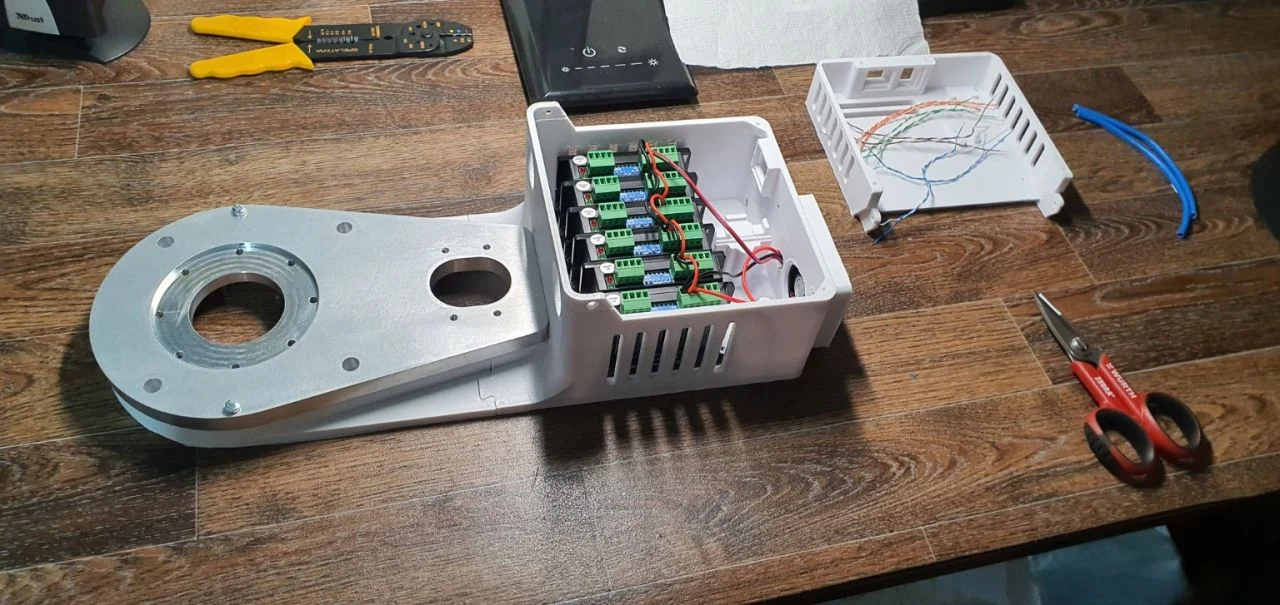
AR4-MK5 installation
Robot positioning and verification of real workspace, reachability and clearances.
PLC & Safety integration
Installation, wiring and verification of automation and safety architecture.
AI Vision integration
Positioning and calibration of overhead camera, RGB-D camera and controlled lighting.
Risk Assessment & Safety Validation
Once the AR4-MK5 is installed and the real cell configuration is available, the project will move to:
PaMiLoCELL_Risk_Assessment_Safety_Validation_Rev0
This phase will evaluate actual hazards and required safety functions, including robot movements, cell access, emergency stop, interlocks, electrical risks and safety architecture.
The project will evolve iteratively:
Concept → Build → Verify → Identify Errors → Correct → Integrate → Validate
The key point is not to assume the first design is correct, but to use each step to learn, challenge assumptions and progressively improve the system.
PaMiLoLAB