
PaMiLoCELL #05 – Motor, Bearing, Gear & Belt Installation
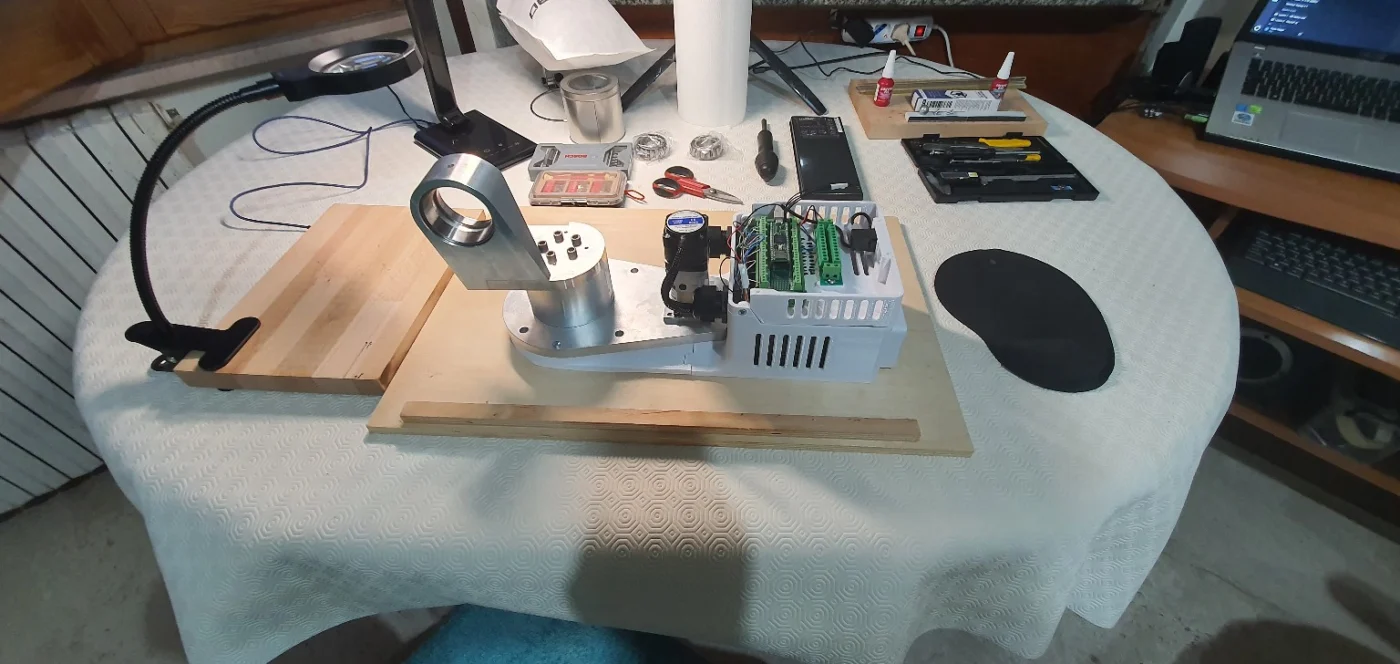
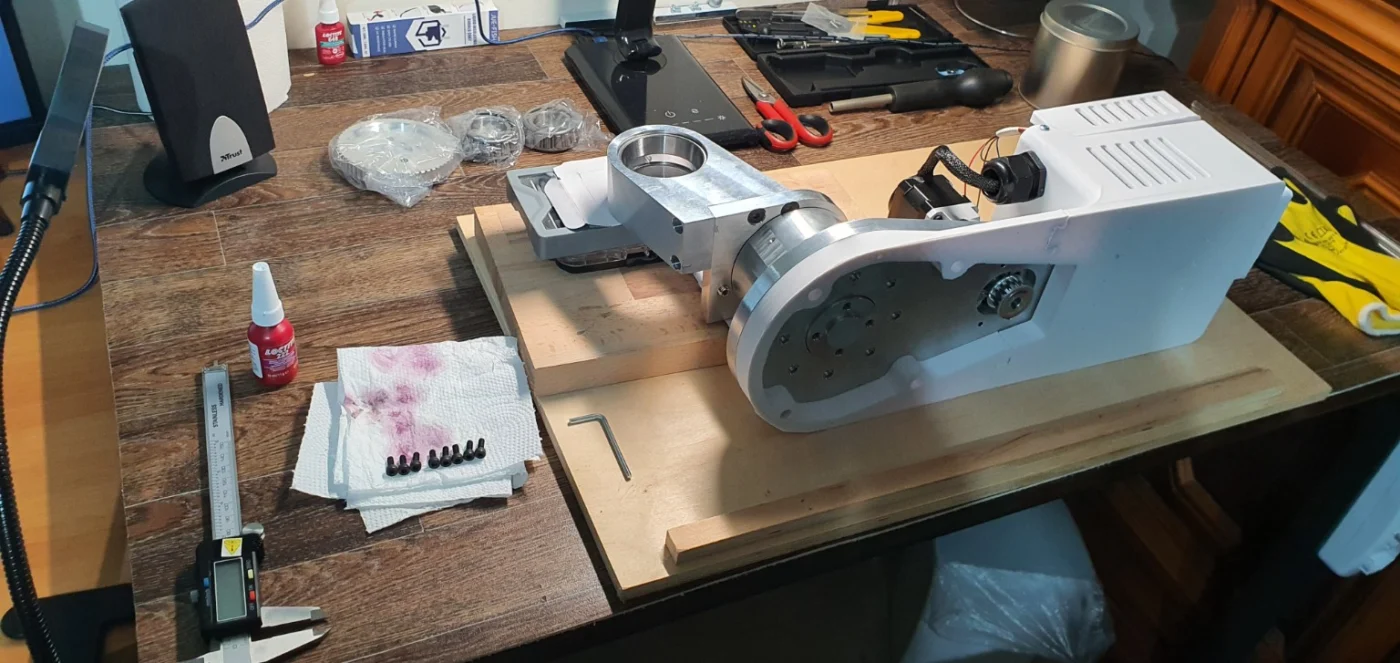
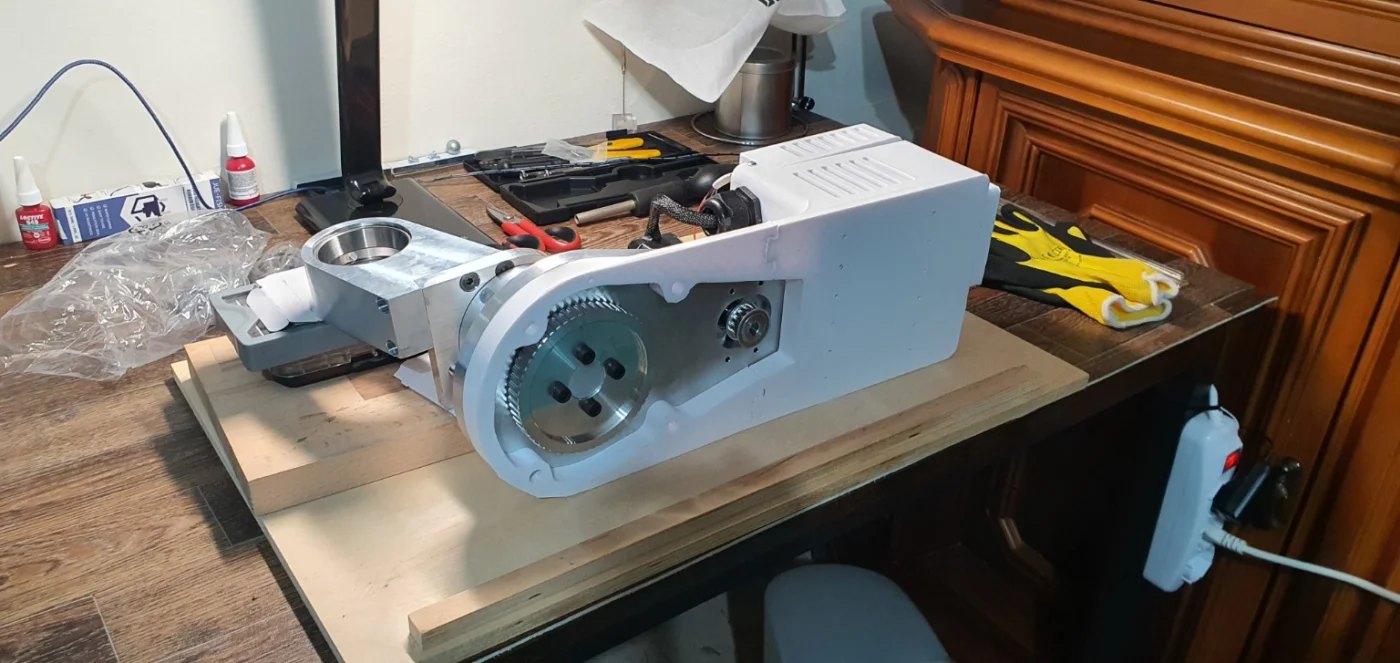
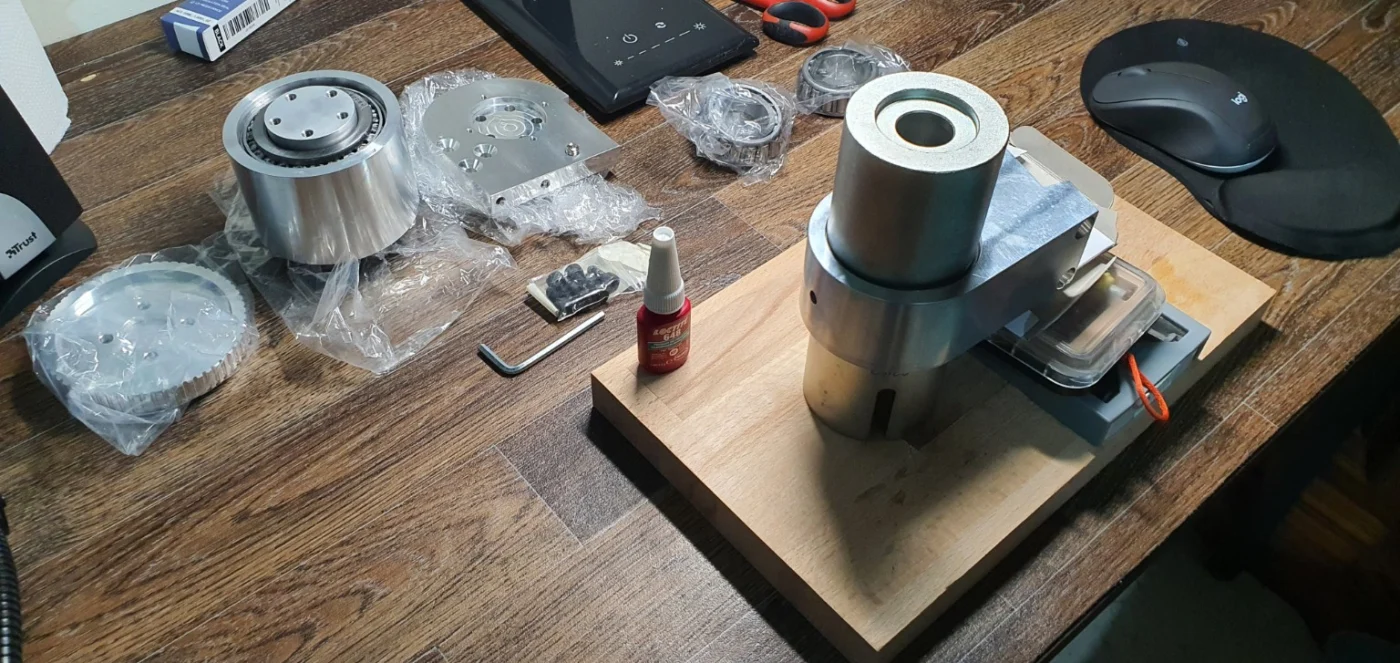
The AR4-MK5 mechanical assembly is progressing through the main transmission elements: motor, bearings, timing pulleys/gears and belts.
I approached this phase from a Quality Engineering perspective, treating each assembly step as a small Quality Gate.
Motor – Check fastening, shaft/pulley interface and cable routing. Any misalignment introduced here can later affect belt tracking and bearing loads.
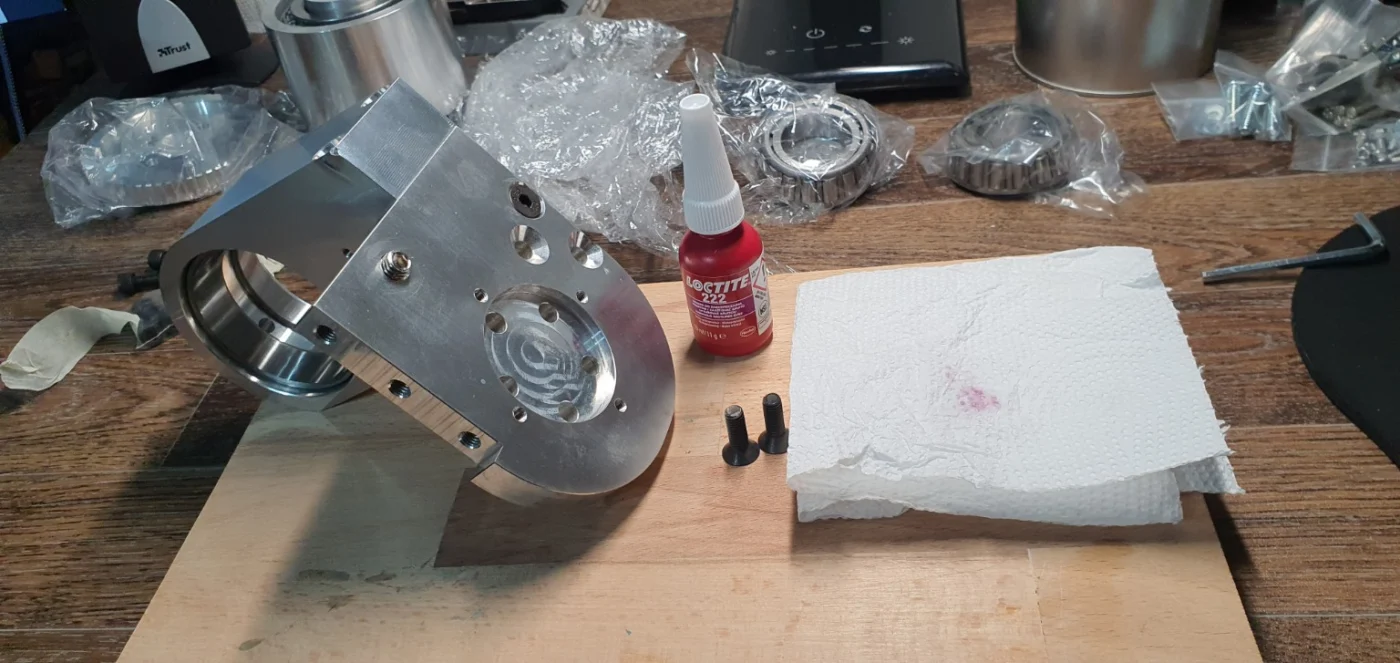
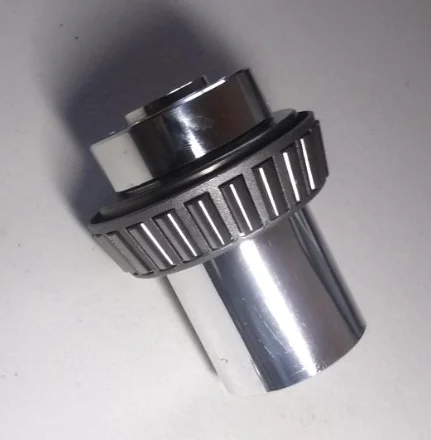
Bearings – Tapered roller bearings require different installation methods:
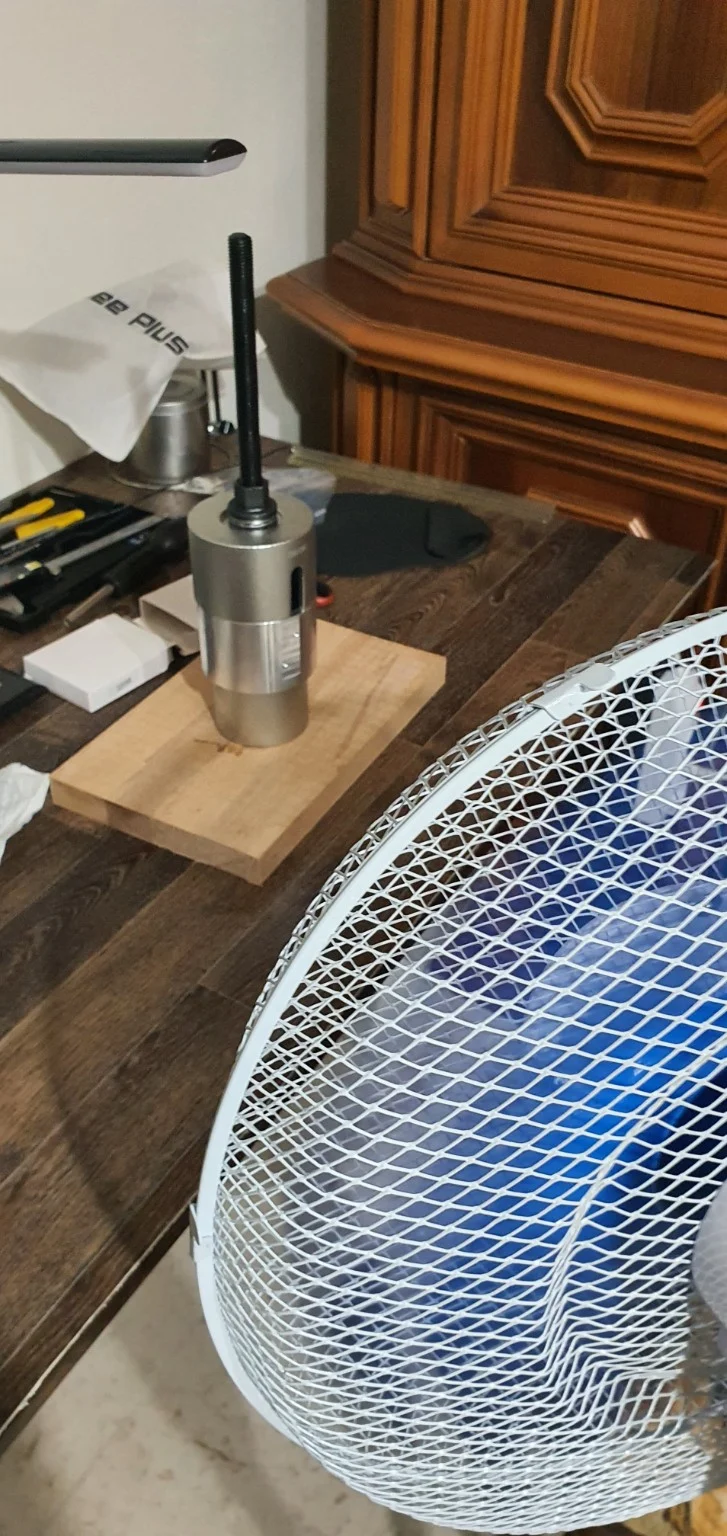
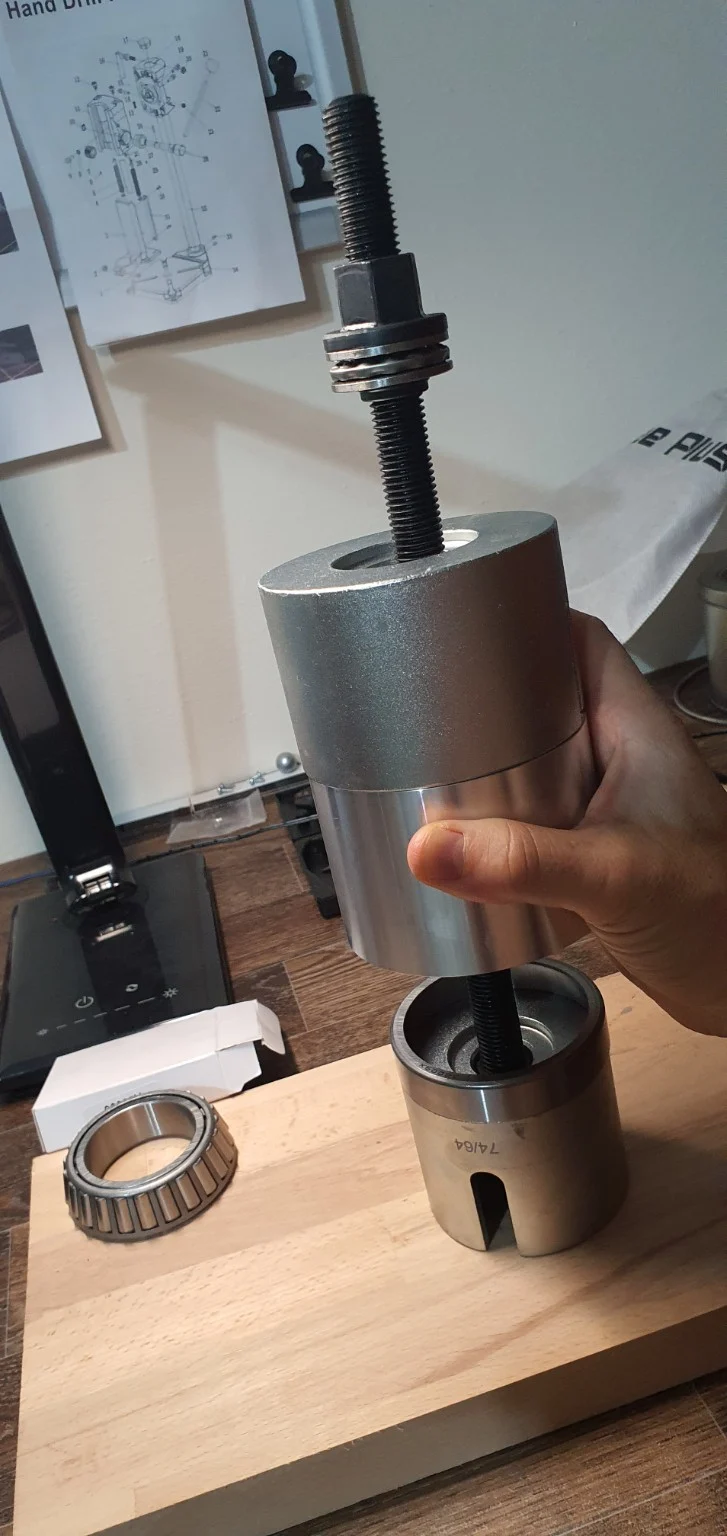
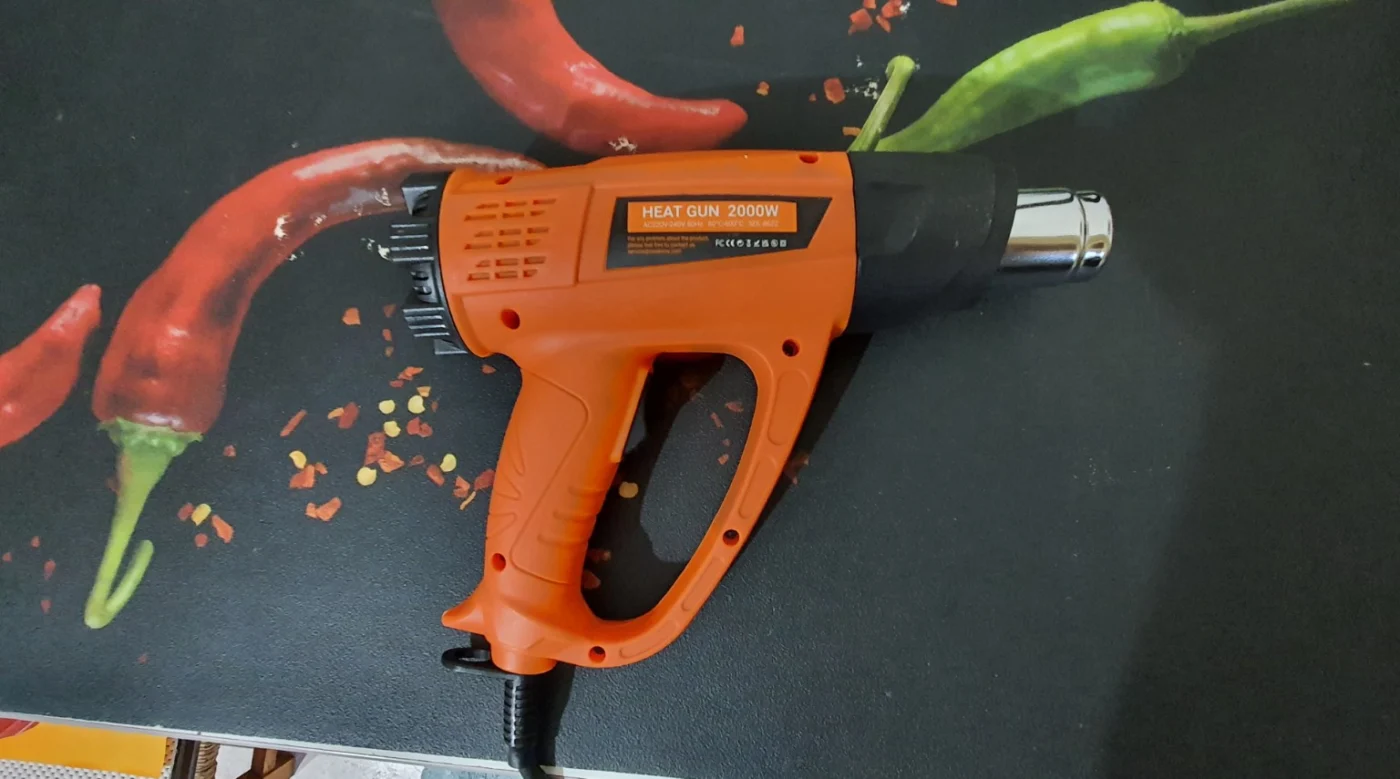
- Outer race → aluminium housing: heat the housing uniformly to slightly expand the seat, then press the race squarely into position. Never hammer it.
- Inner bearing cone → shaft: warm the bearing/cone assembly to slightly expand the inner ring before fitting it onto the shaft. If force is required, apply it only to the inner ring, never through the rollers.
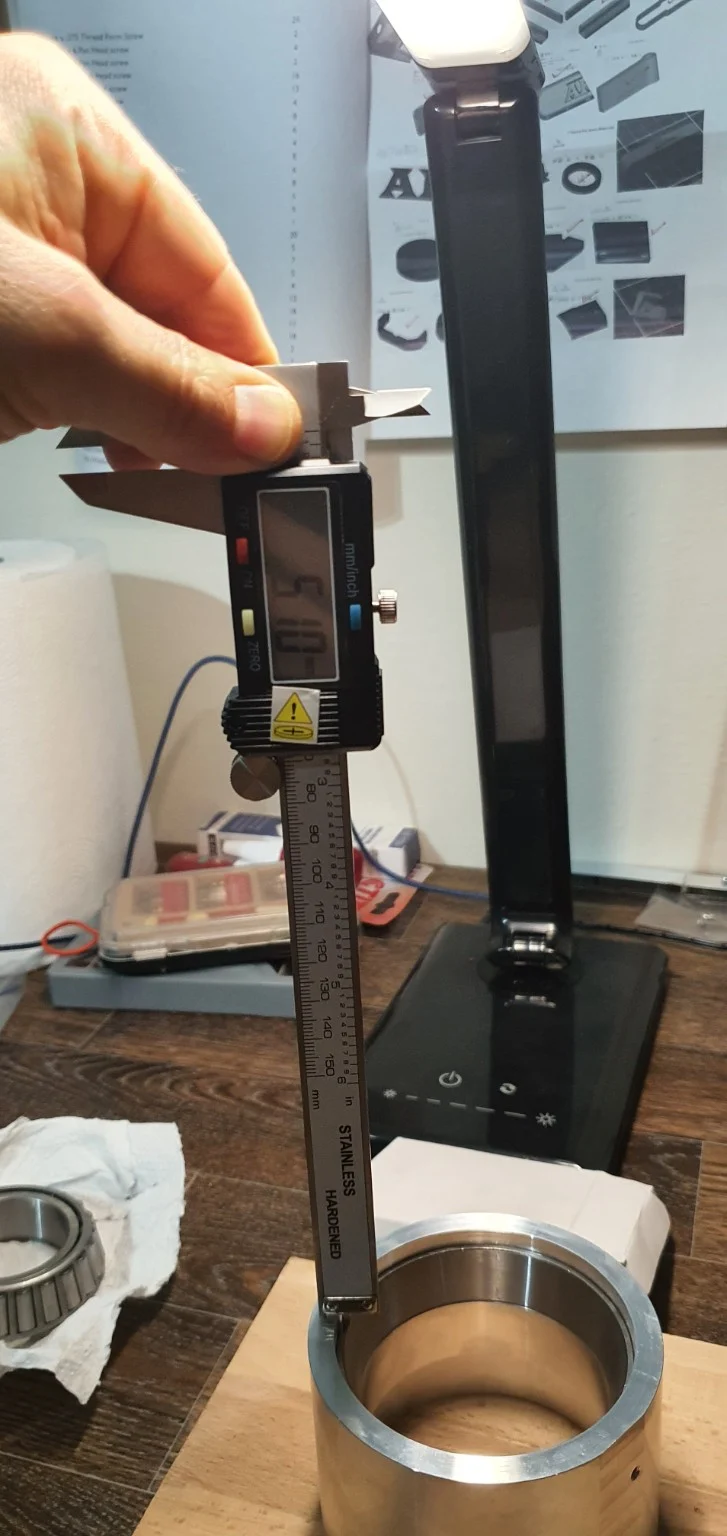
After pressing the outer race, verify seating depth at 0° / 90° / 180° / 270° with a digital caliper. This is a practical QC check of uniform seating and parallelism, while also considering measurement repeatability.
Thread locking / retaining compound
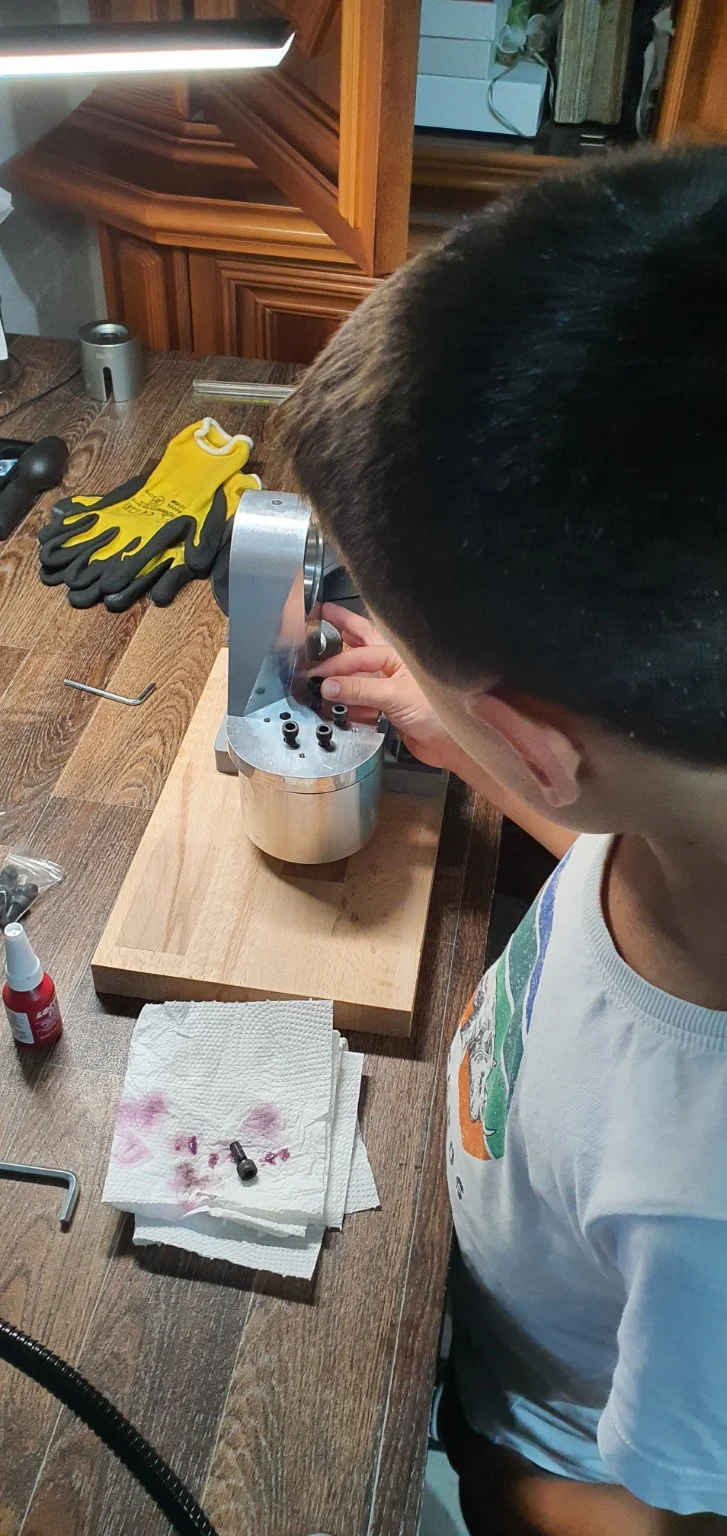
- LOCTITE 222: low-strength threadlocker for removable threaded fasteners, used on M4 and larger screws as specified by the AR4 manual.
- LOCTITE 648: retaining compound for cylindrical fits; use only if an outer race is slightly loose in its housing, not as a general installation aid and not normally between inner ring and shaft.
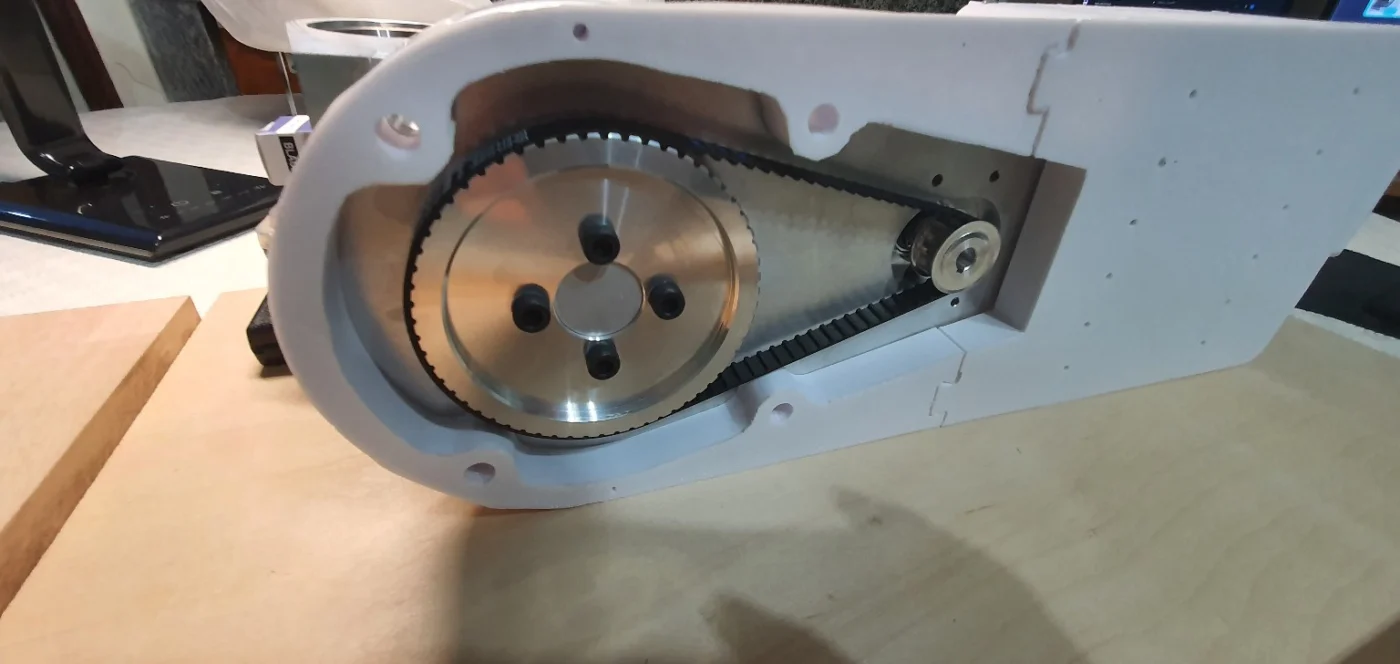
Gear / pulley – Check seating, axial position and pulley alignment. Small offsets can cause belt tracking issues and additional bearing loads.
Belt – Tension must prevent backlash and tooth skipping without overloading shafts, bearings or structures.
Final QC – Before closing the covers, manually check:
smooth rotation, correct belt tracking, no abnormal friction, controlled preload, no excessive play and no interference.
The key lesson is that:
Motor → Bearing → Gear/Pulley → Belt
should also be a sequence of Quality Gates.
Detecting an incorrect bearing seat, pulley misalignment or excessive belt tension immediately is far easier than troubleshooting the defect after the robot is fully assembled.
#PaMiLoCELL #PaMiLoLAB #AR4MK5 #Robotics #QualityEngineering #RobotAssembly #Bearings #TimingBelt #LessonsLearned